Jeden z polskich akcentów misji Artemis II
Obserwatoria POLSA wspomagają obserwacyjnie misję Artemis IIEwelina Krajczyńska-Wujec 09.04.2026
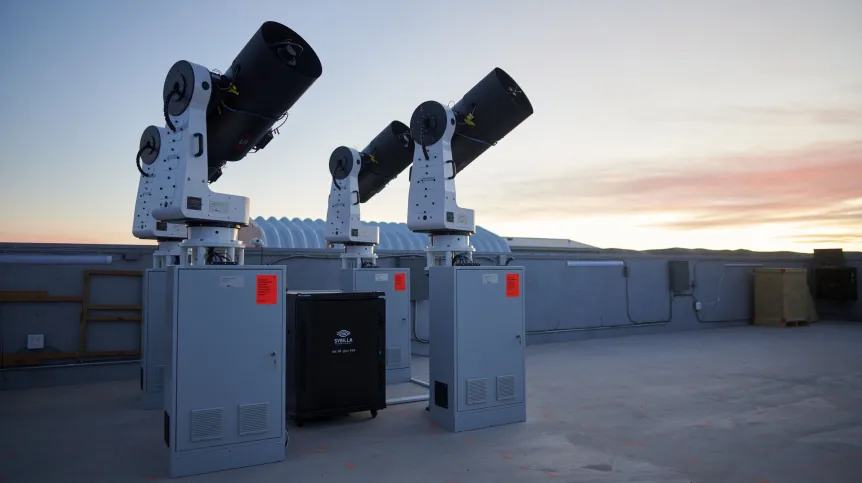 Teleskopy sieci POLON; źródło: M. Słonina
(...) W międzynarodowej sieci obserwacyjnej misji Artemis II aktywnie uczestniczy także POLSA wraz z Centrum Operacji Satelitarnych ARGUS. - Polska Agencja Kosmiczna dysponuje siecią obserwatoriów POLON rozlokowanych na całym świecie. One dostarczają na bieżąco cennych danych obserwacyjnych operatorom misji - powiedział PAP Mariusz Słonina, szef Centrum Operacyjnego SSA POLSA.
Teleskopy Sieci Optycznej POLON (POLSA Optical Network) znajdują się w Europie, Australii, Afryce, Ameryce Południowej i Północnej. To zarówno obiekty własne POLSA, jak i współpracujące z siecią POLON. Z przekazywanych przez nie danych dotyczących lotu kapsuły Orion korzysta NASA. (...)
https://naukawpolsce.pl/aktualnosci/news%2C112406%2Cobserwatoria-polsa-wspomagaja-obserwacyjnie-misje-artemis-ii.htmlAstronomowie z UW uchwycili na zdjęciach statek misji Artemis II09.04.2026
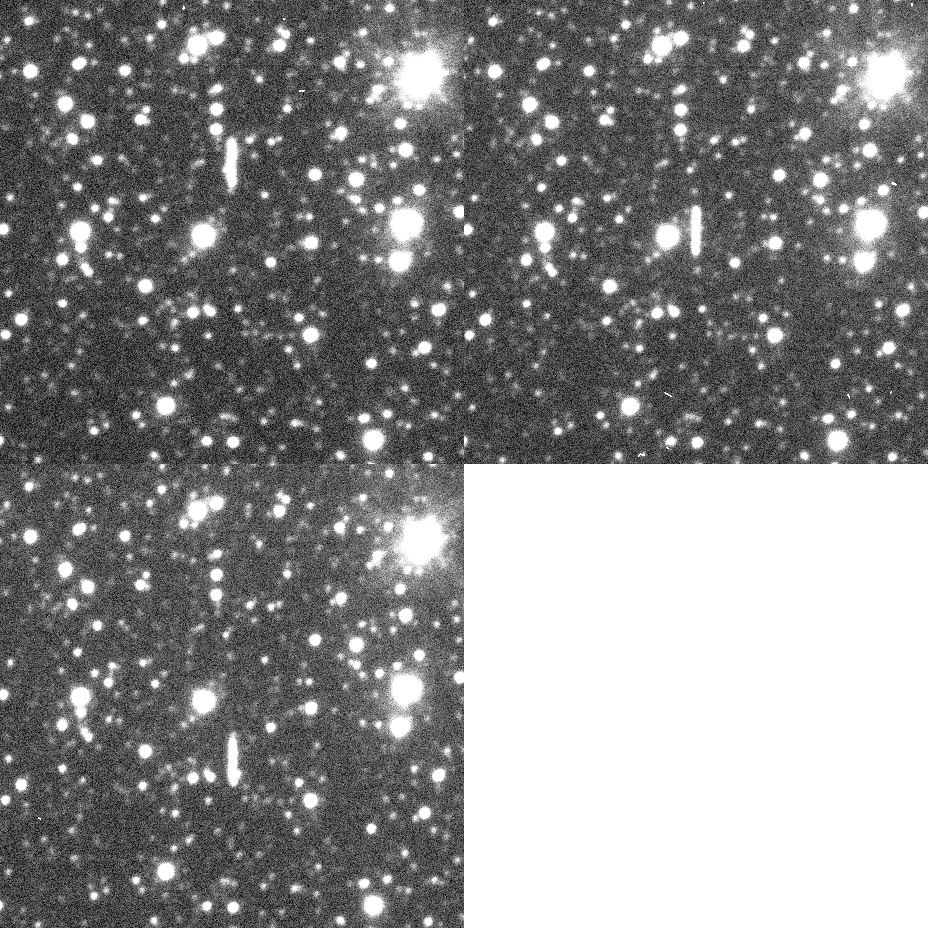
(...) Jak poinformował PAP prof. Andrzej Udalski, trajektoria na niebie misji kosmicznej NASA Artemis II, wracającej z podróży wokółksiężycowej na Ziemię, przecinała w nocy z 8 na 9 kwietnia pola centrum Drogi Mlecznej, regularnie obserwowane przez astronomów z projektu OGLE prowadzonego w Obserwatorium Astronomicznym UW. (...)
Zdjęcia zostały wykonane 1,3-m warszawskim teleskopem w Obserwatorium Las Campanas w Chile. (...)
https://naukawpolsce.pl/aktualnosci/news%2C112423%2Castronomowie-z-uw-uchwycili-na-zdjeciach-statek-misji-artemis-ii.htmlPolka pracująca przy misji Artemis II: to już zdecydowany sukcesAnna Bugajska 10.04.2026
Choć misja Artemis II trwa - w Europejskiej Agencji Kosmicznej już teraz uważamy, że jest ona zdecydowanym sukcesem – powiedziała PAP dr Anna Fogtman z ESA. Dodała, że lot w daleki kosmos wymaga nie jednego skoku, tylko całego systemu kompetencji i niezawodności.Dr Anna Fogtman z Zespołu Medycyny Kosmicznej ESA kieruje operacjami ochrony radiologicznej w Europejskim Centrum Astronautów ESA w Kolonii. Wraz zespołem Polka współpracuje m.in. przy zabezpieczeniu astronautów misji Artemis II przed promieniowaniem kosmicznym. (...)
Systemy ochrony radiologicznej, nad którymi dr Fogtman pracowała wraz z zespołem, nie zostały jeszcze przetestowane. – Środowisko promieniowania w tej misji jest łagodne i wygląda na to, że z punktu widzenia ochrony radiologicznej wszystko przebiegnie spokojnie do samego końca. Tego właśnie życzymy astronautom – powiedziała badaczka. (...)
https://naukawpolsce.pl/aktualnosci/news%2C112450%2Cpolka-pracujaca-przy-misji-artemis-ii-juz-zdecydowany-sukces.htmlDr Rożek dla PAP: przesuwanie granic poznania świata sprzyja powstawaniu teorii spiskowych10.04.2026
Wielu naszym poczynaniom naukowym towarzyszą teorie spiskowe i jest ich więcej, im bardziej staramy się przesuwać granice poznania świata – powiedział PAP popularyzator nauki dr Tomasz Rożek, komentując pseudonaukowe teorie związane z załogową misją Artemis II, która badała okolice Księżyca.(...) Fizyk zwrócił uwagę, że „sporo w teoriach spiskowych jest głosów, które działają po to, by wywołać ferment w internecie”. – Wielu ludzi interesuje się misją NASA, więc inni działają w sieci, aby choć trochę tego artemisowego wiatru złapać. To są zarówno osoby prywatne, jak i całe kanały, które żyją z ruchu na portalach społecznościowych poprzez tworzenie i publikowanie bzdurnych czy fejkowych treści, czerpiąc przy tym ogromne zyski – powiedział autor książki „Władza, pieniądze, nauka. Jak chciwość, ideologia i szaleństwo wypaczyły badania naukowe”.
Jego zdaniem twórcy takich treści „cynicznie wykorzystują trendy w internecie, by zasiać wątpliwości, jednocześnie wiedząc doskonale, jaka jest prawda”. – W sieci działają też ci, którzy głoszą teorie spiskowe, podchodząc bardzo ideologicznie do odkryć naukowych, zarówno do związanych z kosmosem, ale szczególnie dotyczy to biotechnologii. Z takimi osobami bardzo trudno jest rozmawiać – przyznał Rożek.
Obiektem obecnego zamieszania jest Księżyc, a więc coś namacalnego, fizycznego, co widzimy na niebie. - Przez to łatwiej jest wyrażać nam opinie na jego temat. Wiele różnych odkryć naukowych nie jest publikowanych w mediach, więc wielu z nas nie mam świadomości zachodzących procesów technologicznych. Dlatego, po 53 latach od lądowania człowieka na Księżycu, pojawiają się wątpliwości: dlaczego teraz znów interesujemy się Księżycem? A tam, gdzie są jakiekolwiek dziury w ciągu przyczynowo-skutkowym, może pojawić się sceptycyzm i teorie spiskowe – wyjaśnił naukowiec.
Zapytany o pojawiające się w portalach społecznościowych komentarze podważające autentyczność zdjęć wykonanych przez załogę Artemis II, Rożek odpowiedział, że zarzucana przez internautów słaba jakość fotografii wiąże się z udostępnieniem ich przez NASA prawie natychmiast po zrobieniu, bez jakiejkolwiek korekty.
- Porównujemy te zdjęcia do tych zrobionych podczas misji Apollo, ale tamte są mocno opracowane, wyczyszczone z szumów, przykadrowane, wyostrzone, pewnie zmieniono kontrast. To jest zupełnie naturalny proces, który dziś w dużej mierze za nas wykonuje telefon komórkowy. Zdjęcia z Artemis po prostu zrobiono i udostępniono online. Ale gdyby NASA zdecydowała się na ich publikację na przykład po dwóch dniach, to pojawiłyby się inne głosy. A dlaczego tak późno? Czy trzeba było je stworzyć albo wygenerować przez AI? To też wzbudziłoby wiele kontrowersji u niektórych – uznał fizyk.
W sieci pojawiły się także teorie spiskowe związane ze słabą jakością obrazu podczas transmisji ze statku kosmicznego oraz z rzekomym użyciem technologii green screen podczas wywiadów z załogą. (...)
https://naukawpolsce.pl/aktualnosci/news%2C112460%2Cdr-rozek-dla-pap-przesuwanie-granic-poznania-swiata-sprzyja-powstawaniuEkspertka z WIML: na zdrowie astronautów czekają liczne zagrożeniaMarek Matacz 23.04.2026 aktualizacja: 28.04.2026
Kolonizacja Księżyca czy misje marsjańskie będą oznaczały duże wyzwania dla zdrowia. Nie potrafimy na razie w pełni ich wyeliminować - mówi lek. ppłk Magdalena Kozak z WIML. Dodała, że misja Artemis II trwała krótko, więc mimo oddalenia od Ziemi zdrowie astronautów było dość bezpieczne.(...) Astronauci w przestrzeni kosmicznej muszą się zmierzyć z wieloma zagrożeniami - zwróciła uwagę w rozmowie z PAP ppłk Magdalena Kozak, kierownik Centrum Medycyny Lotniczej i Pracowni Medycyny Kosmicznej w Wojskowym Instytucie Medycyny Lotniczej (WIML), komentując realia Artemis II i wyzwania przyszłych misji.
- Do najważniejszych należy
promieniowanie kosmiczne. Normalnie chroni przed nim magnetosfera Ziemi - obszar przestrzeni kosmicznej, będący strefą oddziaływania ziemskiego pola magnetycznego. Znajdując się poza tą strefą astronauci są bombardowani promieniami kosmicznymi, cząstkami słonecznymi i promieniowaniem jonizującym. Zwiększa to ryzyko nowotworów, uszkodzeń DNA, zaćmy i problemów neurologicznych - powiedziała ekspertka.
Problemem jest też
mikrograwitacja, która powoduje utratę masy kostnej i mięśniowej. Spadek może sięgać nawet od 1 do 2 proc. miesięcznie. Dlatego konieczne są intensywne ćwiczenia.
- Cierpi też
układ krążenia - w kosmosie serce „rozleniwia się”, bo nie musi pompować krwi przeciwko grawitacji. Serce ulega atrofii, spada ciśnienie krwi i następuje „fuid shift” - przemieszczanie się płynów w kierunku głowy. Dochodzi też do deregulacji układu odpornościowego - spada odporność ogólna i wzrastają parametry stanu zapalnego. Mogą się reaktywować wirusy, dotychczas uśpione w organizmie, np. opryszczka czy ospa wietrzna. Istnieje coś takiego, jak zespół SANS (Spaceflight-Associated Neuro-ocular Syndrome), który objawia się m.in. pogorszoną ostrością widzenia. Zamknięcie w małej przestrzeni, odcięcie od bliskich, monotonia, brak prywatności i ogromna odpowiedzialność mogą wywoływać przewlekły stres, zaburzenia snu i konflikty interpersonalne. Ponadto w pierwszych dniach misji astronauci cierpią na tzw. chorobę kosmiczną (SMS, Space Motion Sickness) z nudnościami i wymiotami - mózg musi na nowo „nauczyć się" interpretować sprzeczne sygnały z błędnika i wzroku - opowiada badaczka. (...)
Podróż ta - podsumowała -
naraziła załogę na trzy rodzaje promieniowania: galaktyczne promienie kosmiczne (GCR), przenikające całą przestrzeń kosmiczną; protony i elektrony uwięzione magnetycznie w dwóch pasach Van Allena - otaczających Ziemię, a także na słoneczne cząstki energetyczne.- W pasach Van Allena promieniowanie jest intensywne, ale załoga przechodziła przez nie szybko. Jak twierdzi NASA, samo ustawienie kapsuły podczas manewru zmniejszyło zmierzony poziom promieniowania prawie o połowę. Ochrona radiacyjna może więc wynikać zarówno z doboru materiałów, jak i sposobu nawigacji - zauważyła specjalistka WIML.
Dodała, że w odróżnieniu od łatwo przewidywalnego promieniowania z pasów Van Allena czy stałego tła galaktycznego, dawka pochodząca od aktywności słonecznej bywa zmienna. -
Niestety, misja przypadła na jeden z najbardziej aktywnych okresów słonecznych od lat: szczyt 11-letniego cyklu Słońca, gdy rozbłyski i koronalne wyrzuty masy są częstsze. Galaktyczne promienie kosmiczne to stałe tło bardzo wysokoenergetycznych cząstek z przestrzeni pozasłonecznej, przeważnie protonów i jąder cięższych pierwiastków, poruszających się z prędkością bliską świetlnej. Stanowi ono główne źródło ryzyka zapadnięcia na jakąś chorobę, np. nowotwór, podczas długotrwałych misji poza orbitą Ziemi - wyjaśniła.
W sumie jednak dawka promieniowania zaabsorbowana przez załogę kapsuły nie była szczególnie wysoka - podsumowała Magdalena Kozak. -
Łączną dawkę promieniowania z pasów Van Allena i galaktycznych promieni kosmicznych szacowano jako porównywalną do miesięcznego pobytu na Międzynarodowej Stacji Kosmicznej, co wynosi ok. 5 proc. dopuszczalnego limitu kariery astronauty. Krótki czas misji (10 dni) zdecydowanie ograniczył całkowite narażenie – wytłumaczyła.
Misja Artemis II trwała 9 dni. - Załoga była narażona przede wszystkim na ostre dolegliwości związane z przebywaniem w przestrzeni kosmicznej. Chodzi np. o „fluid shift”, czy chorobę kosmiczną SMS - powiedziała ppłk Kozak. (...)
https://naukawpolsce.pl/aktualnosci/news%2C112654%2Cekspertka-z-wiml-na-zdrowie-astronautow-czekaja-liczne-zagrozenia.htmlSurajit @surajit_ghosh2 8:03 PM · Apr 13, 2026
New Artemis II rescue footage dropped by U.S. Navy crew
https://twitter.com/surajit_ghosh2/status/2043751956276228156Astronauti NASA oblékli při obletu Měsíce jemné vlněné prádlo ze Sokolova
Aktual.: 14.04.2026 18:17 Vydáno: 14.04.2026, 18:17

Textilní firma Lasting. Spolumajitel Martin Walter. 14. dubna 2026, Sokolov. CTK/Slavomír Kubeš
Sokolov - Čtveřice astronautů amerického Národního úřadu pro letectví a vesmír (NASA) obletěla začátkem dubna Měsíc ve vlněném prádle vyrobeném rodinnou společností Lasting v Sokolově. Dnes to v rozhovoru s ČTK řekl spolumajitel firmy Martin Walter. NASA si prádlo pro svůj vesmírný program vybrala v roce 2020. Posádka mise Artemis II na sobě měla podle fotografií z letu trika z vlákna o průměru 16 mikrometrů (mikronů), tedy 0,016 milimetru. Tato vlna má podstatně lepší izolační schopnost a prodyšnost než běžná vlna a při nošení nekouše.
"Pořád jsme nevěděli, jestli se to stane, jestli naše prádlo skutečně poletí do vesmíru, byť v objednávce stálo, že oblečení bude součástí letu. Potom jsme to sledovali, a když to oblečení znáte, jeho detaily, tak to člověk pozná, i ten střih. Jsme strašně rádi, že se to stalo," řekl Walter.
Vesmírná společnost oblečení před misí Artemis II testovala přes pět let. "NASA objevila naše merino prádlo na veletrhu a oslovili nás, že by ho chtěli vyzkoušet. Jsme strašně rádi, že jim prádlo bylo pohodlné, že se jim dobře nosilo a že jim sedělo a nic kosmonauty nikde nekousalo. Díky tomu vlastně dneska naše nejprodávanější modely, které už děláme 20 let, letěly kolem Měsíce. Jsme také strašně rádi, že se prádlo vyrábí v Sokolově," řekl Walter.
Americká vesmírná společnost poprvé oslovila vedení sokolovské firmy v létě 2020. "Předtím si nás pravděpodobně vyhlédli na veletrhu v Denveru. Dostali jsme e-mail, že pracují na vesmírném obleku příští generace a že by chtěli použít naše vlněné prádlo, aby ho nosili během testování a při cestě kolem Měsíce," řekl Walter. Lasting se s Američany domluvil na první objednávce vzorků. "Chtěli spodky ATOK a trika s dlouhým rukávem ATAR, což je taková naše stálice v sortimentu. Postupně potom NASA udělala další objednávku na jaře 2024 a třetí v září 2025," popsal Walter.
Astronauti měli zájem o trika i spodní kalhoty v celé škále velikostí, vyrobené ze stoprocentní nejjemnější vlny. "Myslím, že si řekli, že vlna by mohla být dobrá, kosmonauti budou na palubě více než týden, nebude možnost prát. Ono v té 16,5mikronové kvalitě vlny na světe moc producentů nebude. Když jsme s tím začali před 25 lety, tak to nedělal nikdo. Dnes je těch firem už asi několik," uvedl Walter.
Žádné speciální požadavky NASA neměla. Američtí astronauti Reid Wiseman, Victor Glover a Christina Kochová a Kanaďan Jeremy Hansen oblékli trika, která se v Česku prodávají za zhruba 1500 korun, na 1,12 milionu kilometrů dlouhý let. Loď Orion se dostala 406.771 kilometrů od Země, čímž posádka překonala dosavadní rekord v největší vzdálenosti.
Firma Lasting vznikla v Kynšperku nad Ohří v roce 1991. Založili ji rodiče Martina Waltera, kteří se na jejím chodu dodnes aktivně podílejí. Prvních téměř deset let byly hlavním produktem ponožky na denní nošení. Zhruba od roku 2003 šije a plete Lasting z merino vlny. Reaguje tak na trend návratu k přírodním materiálům. Při výrobě oblečení a ponožek je ale kombinuje v různém poměru se syntetickými materiály a vyrábí oblečení pro sport i volný čas. Firma sídlí v Sokolově, poslední tři roky v nové budově s většími prostory pro výrobu. Zaměstnává zhruba 55 lidí a v loňském roce měla obrat okolo 130 milionů korun.
Lasting vyrobí zhruba 100.000 kusů oblečení ročně. Z jedné osmihodinové směny vzejde z poloautomatizované pletárny 120 párů ponožek nebo podkolenek. Zhruba 95 procent produktů Lasting prodá v sítích nezávislých prodejen se sportovním nebo speciálním zbožím, část z toho jsou větší objednávky pro ozbrojené složky. Lasting vlněné prádlo nosí například strážníci a policisté nebo příslušníci nizozemské armády. Firma dodává produkty do více než 50 zemí na celém světě. Pět procent svých výrobků prodá ve vlastním e-shopu a v podnikové prodejně v Sokolově.
https://www.ceskenoviny.cz/zpravy/astronauti-nasa-oblekli-pri-obletu-mesice-jemne-vlnene-pradlo-ze-sokolova/2812600A II
https://www.forum.kosmonauta.net/index.php?topic=3295.msg204607#msg204607Sławosz Uznański-Wiśniewski @astro_slawosz 1:52 AM · Apr 2, 2026
Misja Artemis II wystartowała w kierunku Księżyca. Wracamy dalej niż kiedykolwiek od dekad.
#Artemis
https://twitter.com/astro_slawosz/status/2039491147144294697Sławosz Uznański-Wiśniewski @astro_slawosz Last edited 4:41 PM · Apr 3, 2026
Nasz Dom.
Po raz pierwszy od czasów Apollo znów widzimy Ziemię z takiej perspektywy. Załoga @NASAArtemis udostępniła wyjątkowe zdjęcia – od ujęcia z wnętrza kapsuły Orion po pełny obraz naszej planety.
Dla mnie ogromna inspiracja i ciary na plecach. A Wy co czujecie wiedząc, że lecimy na Księżyc i załoga patrzy na nas z głębokiego kosmosu?
#Artemis #earth 📷 @NASA
https://twitter.com/astro_slawosz/status/2040077116260114739Sławosz Uznański-Wiśniewski @astro_slawosz Last edited 4:45 PM · Apr 2, 2026
Po 54 latach czwórka astronautów ponownie wyruszyła w podróż w stronę Księżyca. To moment, który jest jednocześnie historyczny i niezwykle osobisty.
Dziś w nocy załoga Artemis II na pokładzie kapsuły Orion wystartowała z Kennedy Space Center. Pamiętam, jak po raz pierwszy stanąłem w tym miejscu na Florydzie, wjechałem na wieżę startową i miałem szansę spojrzeć w dół. To był moment ogromnej inspiracji, niepewności, a jednocześnie namacalnej historii programu Apollo. Wczoraj na padzie LC-39B stanęła rakieta Space Launch System stając się początkiem kolejnego rozdziału naszej wspólnej historii: programu Artemis.
Program Apollo zakończył się zanim się urodziłem. Natomiast dzisiaj czuję, że załoga Artemis-II, reprezentuje coś więcej niż jeden kraj. To załoga reprezentująca nas wszystkich. Wszystkie 61 krajów sygnatariuszy programu Artemis Accords w tym również Polskę i ESA.
Ich odwaga wyznacza szlak, którym wkrótce podążą kolejni. Bądźmy z nimi przy każdym kilometrze tej niezwykłej drogi.
@astro_reid, @AstroVicGlover, @Astro_Christina, @Astro_Jeremy, życzę Wam powodzenia i bezpiecznej drogi w stronę Księżyca, aż do samego lądowania w Pacyfiku. I czekam na kolejne zdjęcie „Earth Rise” (wschodu Ziemi widzianej z Księżyca).
📷 ESA (1) / NASA (2)
https://twitter.com/astro_slawosz/status/2039715922684858652Sławosz Uznański-Wiśniewski @astro_slawosz Last edited12:16 AM · Apr 7, 2026
Misja Artemis II weszła w swoją kluczową fazę. Astronauci prowadzą obserwacje powierzchni Księżyca, w tym obszarów niewidocznych z Ziemi.
Około godz. 1:05 statek Orion osiągnie maksymalną odległość od naszej planety (406 773 km), ustanawiając nowy rekord. Wcześniej, na kilkadziesiąt minut, załoga utraci łączność, znajdując się po drugiej stronie Księżyca.
Trzymamy kciuki i czekamy na wyjątkowe zdjęcia 🌕🚀
🎥 @tvn24
#Artemis #moon
https://twitter.com/astro_slawosz/status/2041278968670638577Sławosz Uznański-Wiśniewski @astro_slawosz 4:07 PM · Apr 7, 2026
„Earthset”.
57 lat po „Earthrise”.
Coś pięknego.
📷 @NASA/
@NASAArtemis
#Artemis #Moon #Earth
https://twitter.com/astro_slawosz/status/2041518124646744178 Wątek: Artykuły o Artemis II (Przeczytany 4777 razy)